
October 2026
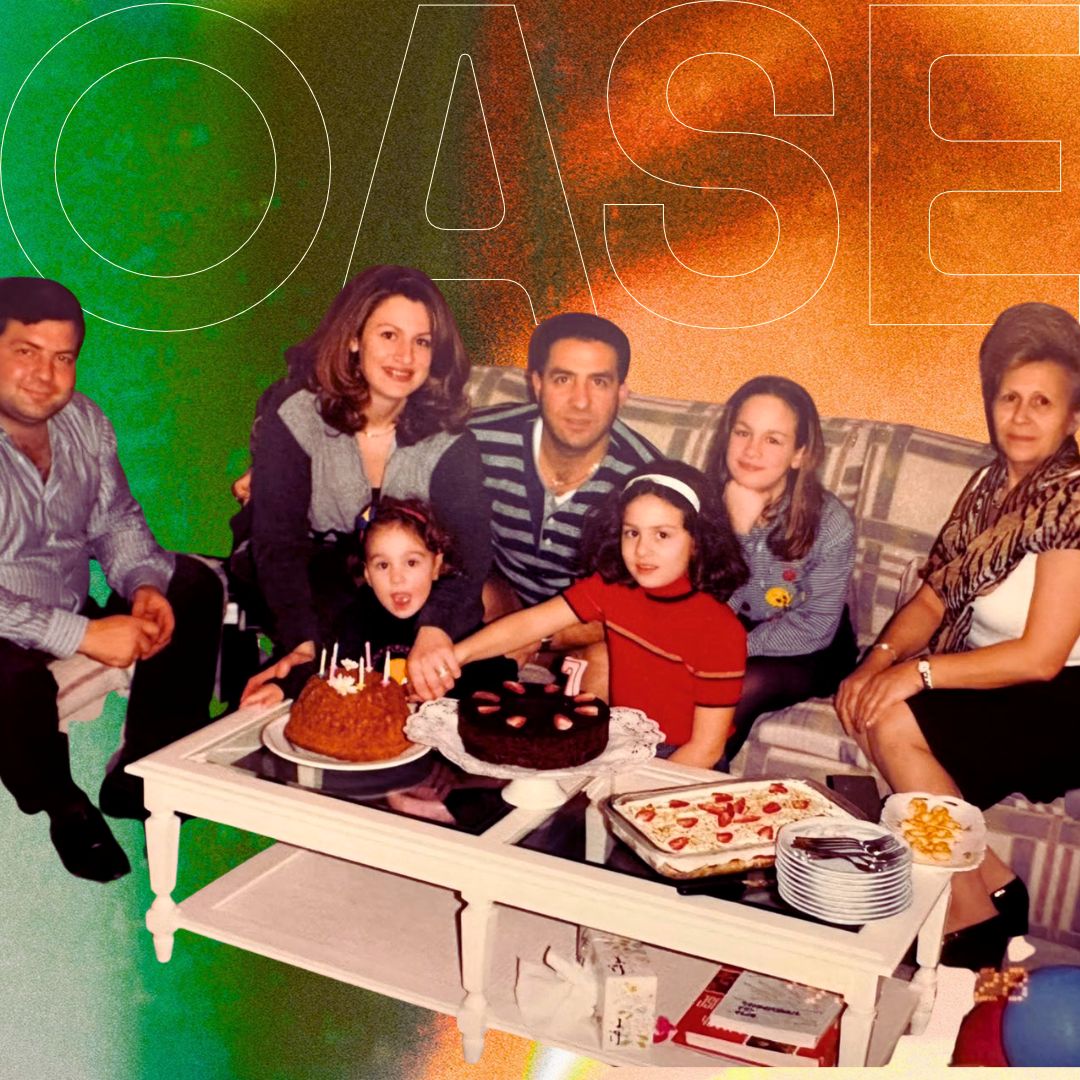
Every month we invite a Rotterdammer to share a dish in our Kantine that reminds them of home. In October, Gacia Tokajian shares her Palestinian family recipe with us: Foul Maqlouba, with rice, broad green beans and warming spices. For Gacia, the dish is deeply connected to her grandmother, childhood afternoons spent cooking and eating with family, and the Palestinian community that surrounded her grandmother when she moved to Jordan.
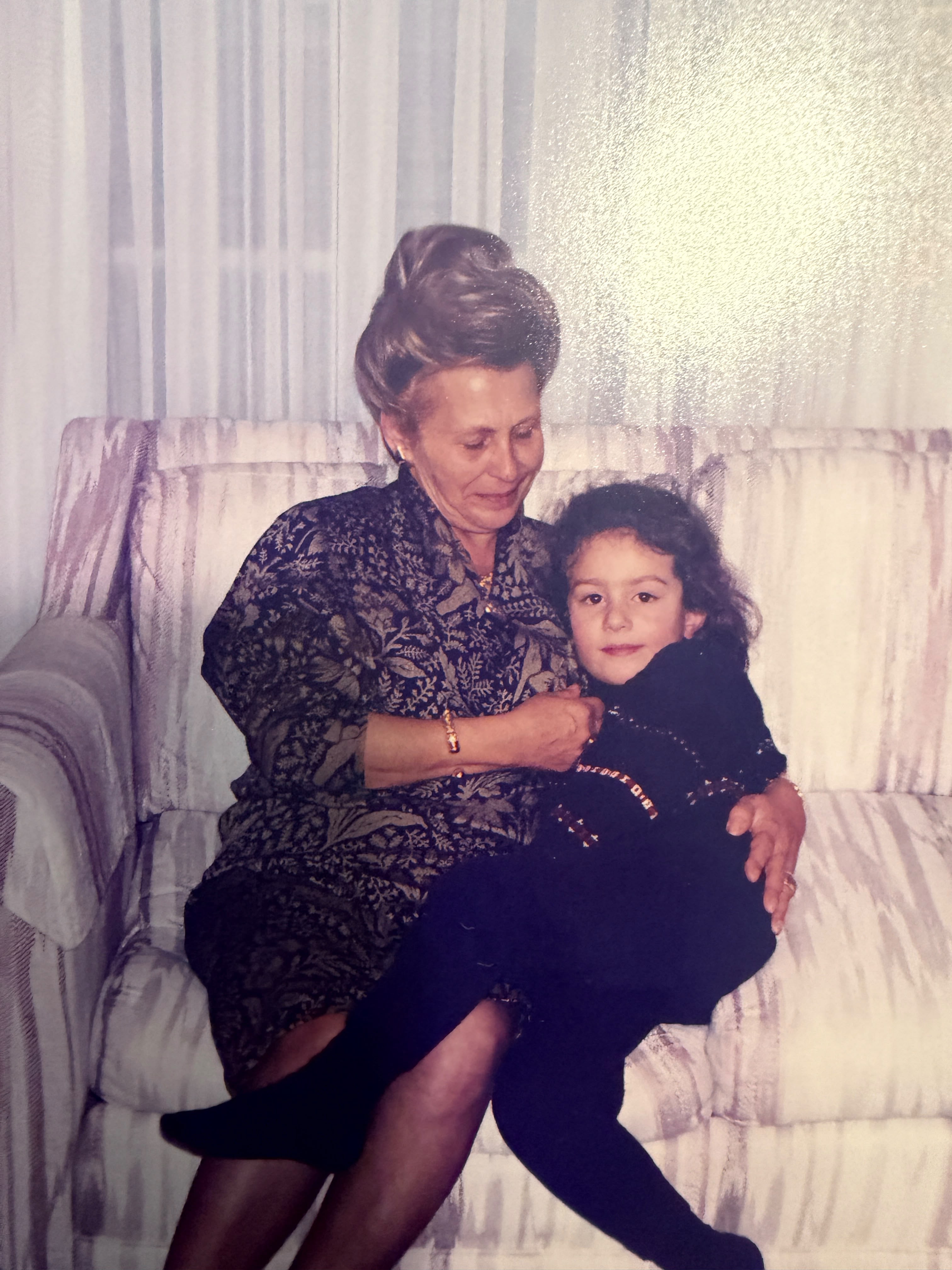
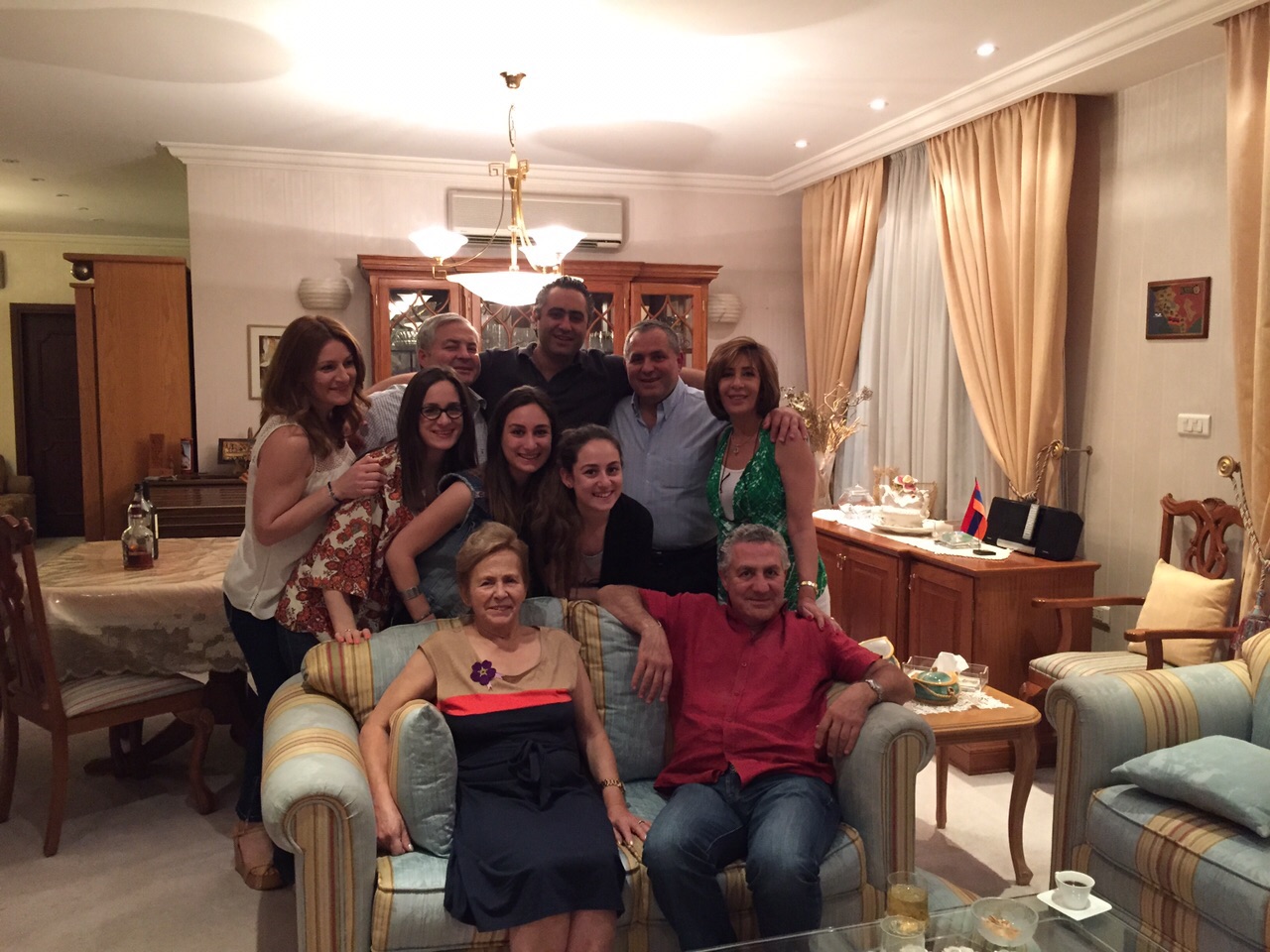
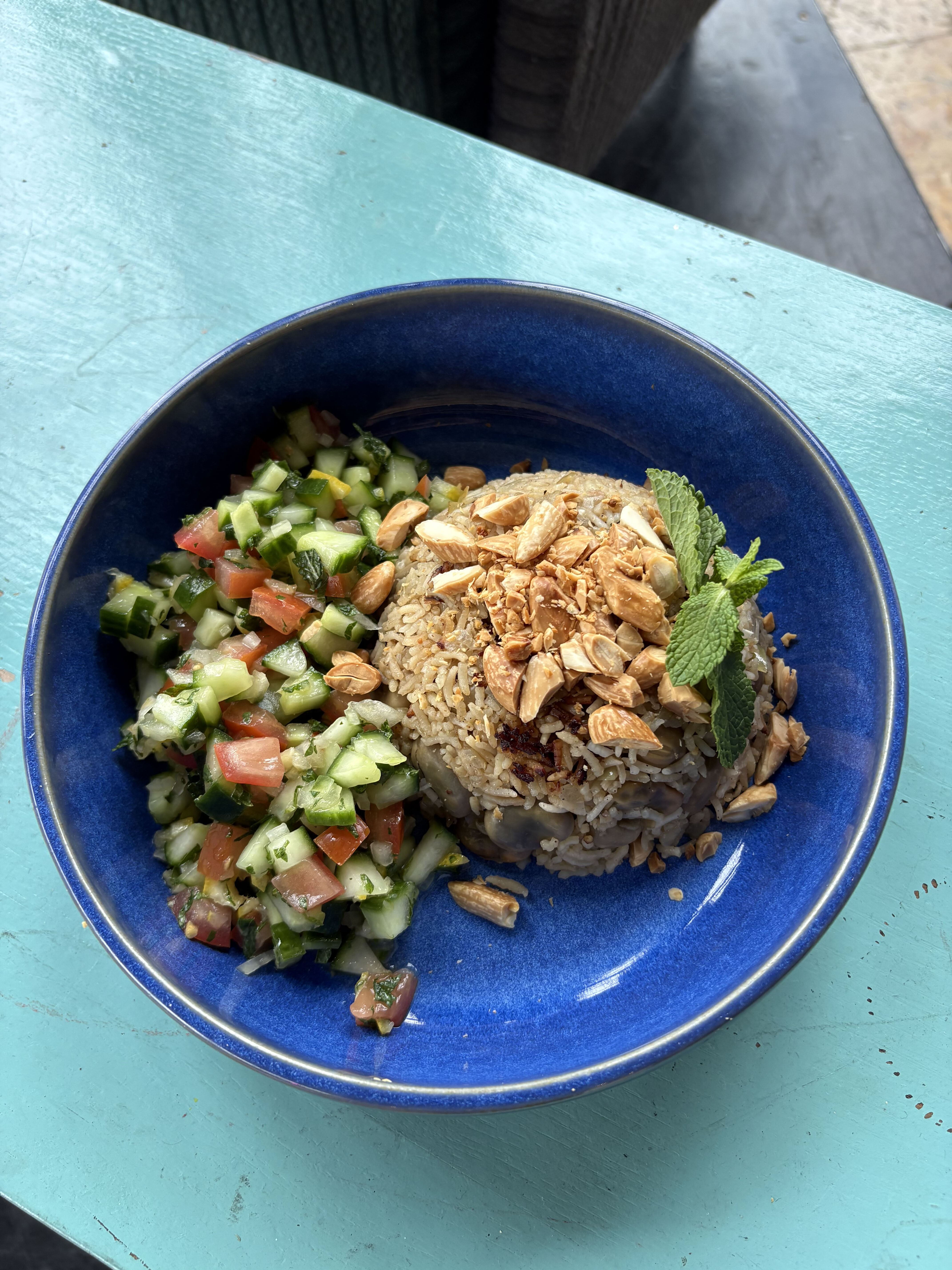
You can order this dish throughout October in OASE’s Kantine.
Gacia was born and raised in Jordan and is originally Armenian. She is a self-leadership and mindset coach, teacher and dancer. Growing up in Jordan, meant not only growing up learning about the Palestinian cause, but also being surrounded by Palestinians who were forced to leave their homes, and learning about their history through the stories of friends and family.
Jordan and Palestine have always been closely connected, with traditions, food, stories and ways of life flowing between the two. For Gacia, food is one of the most meaningful ways to discover and connect with a culture. Her curiosity about food has stayed with her throughout her life, and kitchens and dining tables have always been places where people come together, share stories and connect.
“Maqlouba is one of the most special and beloved dishes in Palestinian cuisine. Foul Maqlouba, however, is not one that many people here in the region are familiar with.
I would describe it as warm, rich, flavorful, and the kind of comfort food you want after a long day. It’s simple in its ingredients, but it has so much character and meaning behind it. The dish is made with rice and broad green beans, cooked with traditional spices.
The word maqlouba means “upside down,” which comes from the way the dish is traditionally served. Once everything is cooked, you place a serving plate over the pot and carefully flip the whole dish upside down. Getting that perfect flip definitely takes a little practice and, I would say, its own set of skills and muscles!”
“This dish has a very special place in my heart because it reminds me of my grandmother. She used to make it especially during Lent. Although the traditional version is often made with meat, she would make it without, and somehow it became this incredibly delicious vegetarian dish that I always looked forward to.
It takes me back to walking home from school to her house and gathering there with my sisters, my mum, and my auntie. We would spend the afternoon together, cooking, eating, talking, and simply enjoying that time as a family. Those are very simple memories, but they are some of the ones I treasure most.
The dish also reminds me of something bigger: the beauty of community. When my grandmother moved to Jordan as a young bride, she lived in a neighbourhood surrounded by Palestinian families. The women in the neighbourhood would often come together to cook in large quantities, and then each family would take a portion home. That’s actually how this recipe eventually became part of our family.
So, for me, this dish represents the way food carries more than just flavour. It carries memories, stories, traditions, and a sense of belonging.”
“I believe we all have a responsibility to speak up and to care about what has been happening in Palestine for generations. At the same time, for a long time I felt a little lost about how to do that. I knew I wanted to use my voice, but I wasn’t always sure what that should look like.
For me, I found that voice through culture. If sharing a dance or a family recipe can create even a small moment of connection or understanding, then I feel that I’m using my voice in a way that feels true to who I am. And I think that is very much aligned with my own values of love, unity, kindness, and community.
I believe culture is such a powerful way of connecting people. Through food, music, dance, and stories, we can create spaces where people come together, learn something new, and perhaps see Palestine from a different angle. Not only through the headlines, but through its people, its history, its traditions, and its humanity. It’s a way of reminding people that behind everything we hear and see, there are ordinary people with families, traditions, memories, and a deep desire for what we all want, to live with dignity, peace, safety, and the freedom to simply enjoy life.
That’s what sharing dabke last year and sharing this recipe today mean to me. They are small ways of creating bridges between people. They allow me to share something that is deeply personal to me while inviting others to participate, ask questions, connect, and simply enjoy being together.”
“I hope that, as people enjoy this dish, they also get a little glimpse into the richness of Palestinian culture and heritage.
To me, Palestine represents generosity, care, beauty, and resilience. There is such a deeply rooted history and culture behind the food.. stories of endurance, love and the connection Palestinians have for their land.
Most of all, I hope it reminds people of the power of perseverance and sharing our stories. Despite everything, Palestinians continue to carry their traditions with pride, pass them on to the next generation, and find ways to celebrate where they come from.
So I hope people don’t just taste a dish. I hope they taste a little bit of the story, the history, and the love behind it.”
Curious to taste it for yourself? You'll find Gacia’s family Foul Maqlouba at OASE's Kantine throughout October. We're open from Thursday to Sunday. Discover more about OASE's Kantine.